
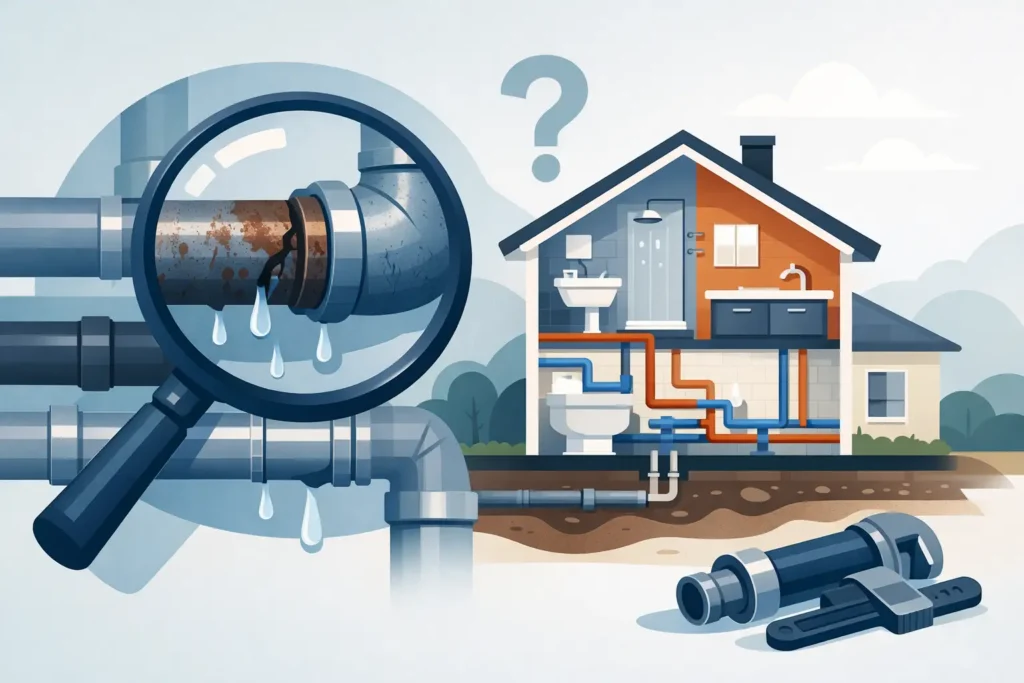
A single leak does not automatically mean your whole house needs new pipes. But a second leak in a different room, rusty water at the tap, or a water bill that keeps climbing can point to a larger problem hiding behind the walls or under the slab. For Tampa Bay homeowners asking when should pipes be replaced, the answer usually comes down to the pipe material, the age of the system, and whether repairs are becoming a pattern.
The right call is not always “replace everything.” A licensed plumber should diagnose the actual condition of the plumbing first. Sometimes a targeted repair is the smart, cost-effective fix. Other times, continuing to patch old lines means paying for the same problem again and again, with more water damage each time.
When Should Pipes Be Replaced Instead of Repaired?
Pipes should be replaced when the plumbing system has widespread deterioration, recurring failures, or a material that is nearing the end of its expected service life. The key word is widespread. One damaged section after a nail puncture or a freeze event is different from multiple pinhole leaks, corroded fittings, and weak water pressure throughout the house.
In Wesley Chapel, Land O’ Lakes, Lutz, Zephyrhills, and across the Tampa Bay area, hard water can speed up mineral buildup and wear on plumbing components. Older homes may also have galvanized steel lines, aging copper, or cast-iron drain pipes that have been in service for decades. Slab foundations add another concern: a leak under the concrete can waste water for months before it becomes obvious.
A proper inspection can separate a repairable issue from a repiping candidate. Camera inspections help assess drain lines, while leak detection equipment can locate hidden water leaks without tearing up floors or walls just to start looking.
Signs Your Home May Need New Pipes
Some warning signs are easy to spot. Others show up slowly and are easy to dismiss until a pipe bursts or a drain backs up. Pay attention if you are seeing several of these issues at once:
- Repeated leaks in different locations. A repaired leak is normal. Multiple leaks over a short period often mean the pipe walls are thinning or corroding throughout the system.
- Rust-colored, yellow, or cloudy water. Discolored water can come from a water heater, but it can also signal corrosion inside galvanized or aging steel pipes.
- Low or inconsistent water pressure. Mineral scale and corrosion can narrow pipes from the inside. If pressure is weak at several fixtures, the problem may be more than one clogged aerator.
- Water stains, warm floors, or mildew smells. These can indicate a hidden wall leak or slab leak. Do not paint over stains and hope for the best.
- A high water bill with no clear reason. If usage has not changed, water may be escaping where you cannot see it.
- Frequent drain backups or slow drains. Older cast-iron sewer lines can corrode, crack, sag, or catch root intrusion. Repeated snaking may buy time, but it does not repair a broken pipe.
None of these signs proves a full replacement is necessary on its own. Together, they are a strong reason to have the system inspected before a minor issue becomes a major restoration project.
Pipe Age and Material Matter
Homeowners often ask how long pipes should last. There is no one expiration date because water quality, installation quality, soil conditions, and past repairs all matter. Still, pipe material gives a useful starting point.
Galvanized Steel Pipes
Galvanized pipes are common in older homes and are often the first material to raise concern. Their zinc coating eventually breaks down, allowing corrosion to form inside the pipe. Over time, that corrosion restricts water flow and can discolor water.
If your home still has galvanized supply lines and you are experiencing pressure problems, visible rust, or repeated leaks, replacement is usually worth discussing. Spot repairs on heavily corroded galvanized pipe can be difficult because the surrounding pipe may be just as weak.
Copper Pipes
Copper can last a long time, but it is not immune to failure. Pinhole leaks may develop from water chemistry, corrosion, installation issues, or years of wear. A single pinhole leak can often be repaired. Several pinhole leaks in different areas suggest that patching may only delay the next failure.
Copper lines beneath a slab deserve quick attention. Warm spots on flooring, the sound of water running when fixtures are off, damp carpet, or unexplained water use may indicate a slab leak. Depending on the pipe condition and access, rerouting or repiping can be less disruptive than repeatedly breaking concrete for repairs.
CPVC and PEX Pipes
Many Florida homes have CPVC supply lines. These can perform well for years, but older CPVC can become brittle, especially around fittings or in areas exposed to heat and stress. A cracked fitting may be a straightforward repair. Repeated breaks or brittle pipe in several locations can make a larger replacement the safer long-term choice.
PEX is commonly used in modern repipes because it resists corrosion and is flexible enough to reduce the number of fittings needed in many installations. It is not a magic answer for every home, though. The best repipe material and layout depend on your home’s design, water needs, and existing plumbing configuration.
Cast-Iron Drain Pipes
Cast-iron drain lines were built to last, but they do not last forever. As they age, the interior can roughen and flake away, allowing waste and paper to catch. Cracks, separations, bellies in the line, and root intrusion can lead to recurring clogs and sewer backups.
If drain cleaning keeps restoring flow for only a few weeks or months, ask for a camera inspection. It shows whether the issue is buildup that can be cleaned or a damaged line that needs repair or replacement.
Repair, Partial Repipe, or Whole-Home Repipe?
The best option depends on what the inspection finds. A repair makes sense when damage is isolated and the surrounding pipe is in good condition. For example, a single accessible leak on a newer line does not justify replacing a whole plumbing system.
A partial repipe can be a practical middle ground when one branch of the home has failing pipe but the rest remains sound. This may work well when a bathroom addition, kitchen line, or a specific slab-leak route needs attention.
A whole-home repipe is often the better investment when supply lines are old, leaks are recurring, pressure is poor throughout the home, or the plumbing material has known age-related issues. Yes, it costs more upfront than another patch. But it can prevent repeated service calls, reduce the risk of water damage, improve water flow, and make the home easier to insure or sell.
The cheapest repair is not always the least expensive decision. A low-price patch that fails six months later can turn into drywall replacement, flooring repairs, mold concerns, and another plumbing bill. Get a clear diagnosis and an upfront price before work begins. No vague estimate. No surprise add-ons after the walls are open.
Do Not Wait for a Burst Pipe
Some plumbing failures can wait for a scheduled appointment. A burst pipe, active slab leak, sewage backup, or water coming through a ceiling cannot. Shut off the home’s main water valve if it is safe to do so, move valuables away from the affected area, and call a plumber right away.
For less urgent concerns, act before the next leak forces the decision. Keep notes on where leaks occurred, when drains back up, and whether your water bill or pressure has changed. That history helps a plumber see the pattern behind the problem.
H.I.P. Home Service & Drain serves local homeowners with in-house technicians, diagnostic equipment, and straightforward recommendations. Whether your pipes need a small repair or a full repipe, you deserve an answer based on the condition of your home, not a sales pitch. Catching pipe failure early gives you more choices, more control, and far less mess.