A sewer backup does not wait for a convenient time. It can show up as a toilet that gurgles, a shower drain that fills from below, or wastewater backing up into a first-floor tub. Then comes the bigger surprise: the damaged pipe may be outside your house, but the repair bill can still be yours. This guide to sewer line insurance explains what homeowners in Wesley Chapel and Tampa Bay need to know before a problem turns into an emergency.
What Sewer Line Insurance Is Actually For
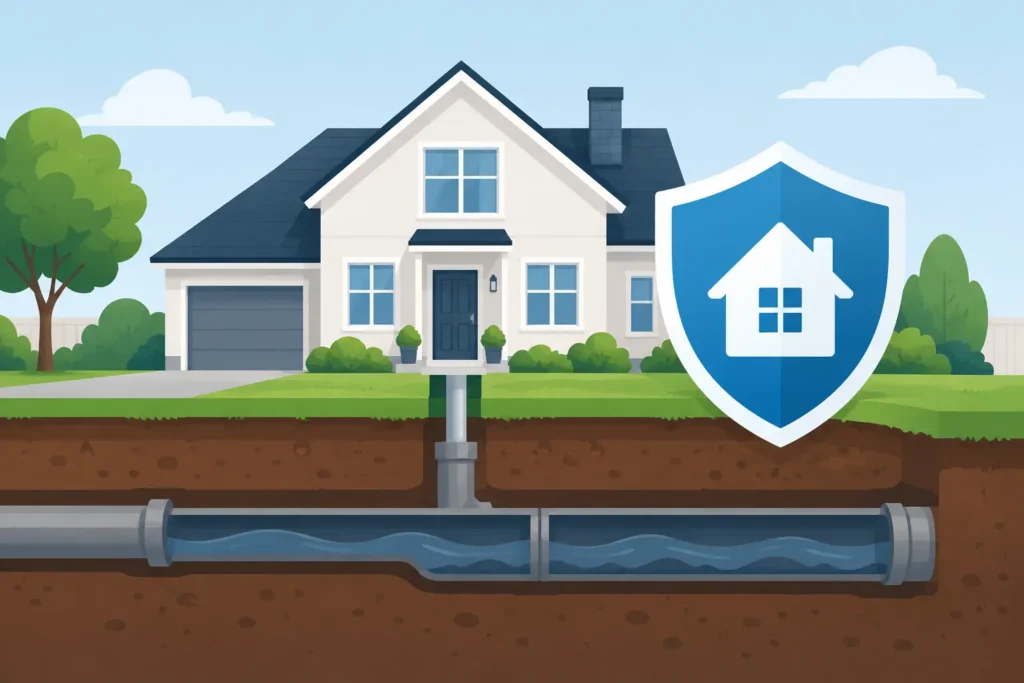
Sewer line insurance, often called sewer service line coverage, is an optional policy or endorsement designed to help pay for repairs to the underground sewer pipe running from your home to the public sewer connection. In some neighborhoods, that pipe may run under landscaping, a driveway, sidewalk, or other hard-to-reach areas.
Homeowners are often surprised to learn where their responsibility begins and ends. The city or county typically maintains the public sewer main in the street. The homeowner is commonly responsible for the lateral line that carries waste from the house to that main. The exact boundary varies by utility and municipality, so do not assume the pipe outside your walls belongs to someone else.
A standard homeowners policy usually covers sudden water damage from certain covered events inside the home. It often does not cover wear and tear, corrosion, root intrusion, or a failed underground sewer lateral. That coverage gap is why sewer line insurance exists.
It is not a maintenance plan, and it is not a promise that every clog is covered. Think of it as financial protection for a qualifying failure of a buried service line.
Guide to Sewer Line Insurance: What It May Cover
Policies differ, so the declarations page and exclusions matter more than the marketing headline. Still, many sewer line endorsements or standalone plans may help cover the cost to diagnose, excavate, repair, or replace a damaged sewer lateral.
Depending on the policy, covered causes can include a pipe collapse, damage from tree roots, cracking, shifting soil, or deterioration that results in a line failure. Some coverage also includes limited restoration of the area disturbed during repair, such as basic landscaping, a walkway, or a driveway. Limits can be very different from one policy to another.
For example, a policy with a $10,000 limit may sound generous until a line runs beneath concrete, mature landscaping, or a deep section of yard. A repair that requires extensive excavation, permits, pipe replacement, and surface restoration can exceed that limit. If your policy has a deductible, that comes out of your pocket before coverage applies.
There is another coverage people confuse with service line protection: sewer backup coverage. Sewer backup coverage may help with damage inside the home when wastewater backs up through drains because of a blockage or overwhelmed public system. Service line coverage is focused on the damaged pipe itself. A homeowner may need both, but they solve different problems.
What is commonly excluded
Most policies will not pay for every sewer issue. Common exclusions may include pre-existing damage, neglect, improper installation, routine cleaning, clogs that do not involve a covered line failure, and damage caused by flooding. Some plans have waiting periods, limits on older pipe materials, or restrictions if the line was already showing signs of trouble.
That is why a backup should not automatically be labeled an insurance claim. Sometimes the problem is a simple drain obstruction. Sometimes it is roots in the yard line. Sometimes it is a broken, offset, or bellied pipe. The right repair starts with knowing which one you have.
Why Tampa Bay Homeowners Should Pay Attention
Florida does not have the freeze-thaw cycles that damage service lines in northern states, but local homes still face real sewer line risks. Mature trees can send roots toward tiny openings in older sewer pipes. Ground movement, settling, and poor drainage can affect pipe slope. Aging cast iron, clay, Orangeburg, or improperly repaired lines can deteriorate over time.
Older homes throughout Tampa Bay may have pipe materials and connections that deserve a closer look. Newer homes are not automatically off the hook, either. Construction debris, poor installation, shifting soil, or a crushed line can cause trouble years after a home is built.
Hard water is also a familiar local plumbing problem, though it is usually more damaging to fixtures, water heaters, and supply piping than to sewer lines. The larger point is simple: underground plumbing is out of sight, not risk-free.
If you have recurring clogs in more than one fixture, sewage odors in the yard, slow drains throughout the house, or backups that return after plunging, do not keep treating the symptom. Those are reasons to have the sewer line properly inspected.
Start With a Camera Inspection, Not a Guess
Before you buy coverage, file a claim, or approve a major repair, get clear information about the line’s condition. A sewer camera inspection lets a plumber see inside the pipe and locate roots, breaks, offsets, standing water, heavy buildup, or a collapse.
This matters for insurance because documentation can help establish the cause and location of the failure. It also matters because a drain cleaner cannot tell you whether a line is cracked beneath your driveway. Clearing a blockage may restore flow temporarily, but it does not repair a broken pipe.
At H.I.P. Home Service & Drain, our technicians use camera inspections to find the real issue before recommending work. No vague diagnosis. No long sales pitch built around fear. You should know what is wrong, where it is, and what it will take to fix it before you make a decision.
Keep copies of inspection videos, written findings, invoices, and photos of visible damage. If an insurer asks for records, you will have more than a description of a bad smell and a flooded bathroom.
How to Compare Sewer Line Coverage Without Getting Burned
The lowest monthly price is not always the best value. Read the policy language and compare the details that decide whether coverage will be useful when your line fails.
Look closely at the coverage limit, deductible, waiting period, and covered causes of loss. Ask whether root damage is covered, whether the plan pays for excavation, and how much restoration is included after the repair. Find out whether you can use your own licensed plumber or if the insurer requires a specific contractor network.
Also ask whether the plan covers only the exterior sewer lateral or other lines as well. Some utility-sponsored plans cover a narrow segment of pipe. Others may include water service lines, interior plumbing, or additional protections for an added cost. More coverage is not automatically better if it duplicates protection you already have through your homeowners policy.
Call your current homeowners insurer before purchasing anything separate. Ask whether service line coverage and sewer backup coverage can be added as endorsements, what each one covers, and whether there are exclusions for your pipe type or prior damage. Get the answers in writing when possible.
When Insurance Makes Sense and When It May Not
Sewer line insurance can make sense for a homeowner with an older property, mature trees near the sewer route, a long run to the public connection, or a line beneath expensive hardscape. It can also offer peace of mind if an unexpected five-figure repair would strain the household budget.
It may be less valuable for a newer home with a documented, accessible PVC sewer line and enough savings set aside for major repairs. Even then, the decision depends on the policy terms. A low premium with a high deductible, strict exclusions, and minimal restoration coverage may not provide much real protection.
The right answer is personal. Do not buy a plan because a mailer made a scary claim. Do not reject one because the line has never caused trouble. Review your home’s age, pipe history, yard layout, and financial comfort level.
What to Do When You Suspect a Sewer Line Failure
If sewage is backing up into the home, stop using water fixtures right away. Do not run the dishwasher, washing machine, or showers to test whether the problem clears. More water can turn a contained backup into a much larger cleanup.
Call a licensed local plumber for an evaluation. If the issue appears to involve the public main, contact your utility as well. If you have coverage, notify the insurer promptly and ask what documentation and approval steps they require before repairs begin. In an emergency, protecting the home and preventing further damage comes first, but keep receipts and records.
Sewer line insurance is there for a bad day, not a substitute for paying attention to warning signs. A camera inspection, honest diagnosis, and clear understanding of your policy can keep a hidden pipe problem from becoming a financial mess on top of a plumbing mess.